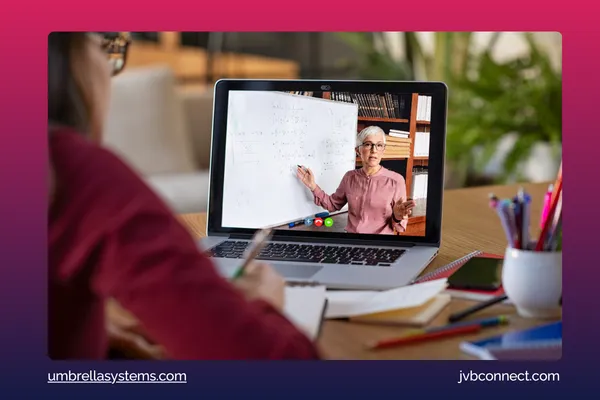
Free Information Doesn't Create Transformation
The Connected Business
There's Free Content Everywhere. So Why Would Anyone Pay You?
Someone asked me recently why they should bother creating an online course when there's so much free information available, on YouTube, in Facebook groups, in podcasts, in newsletters. If you can't answer that clearly, you'd be questioning it too.
Free content and a structured program are doing completely different jobs. Confusing this is an expensive mistakes an expert can make.
Free content creates awareness. It doesn't create results.
YouTube is brilliant for discovery. Someone searches a question, finds your video, and decides you seem to know what you're talking about. That's it. That's what free content does, it gets you noticed.
What it doesn't do is take that person from where they are now to where they want to be. It doesn't sequence the information in the right order. It doesn't account for where they get stuck. It doesn't give them feedback, accountability, or a clear next step. It gives them a piece of the puzzle and leaves them to figure out the rest alone.
Your course does something completely different. It's not a collection of information, it's a guided path to a specific outcome. And that outcome is what people pay for.
The problem isn't information. It's implementation.
Your ideal client isn't struggling because they can't find information. They're struggling because they have too much of it, in no particular order, with no clear way to apply it to their situation.
They've watched the YouTube videos. They've read the articles. They've downloaded the freebies. And they're still stuck, not because the information was wrong, but because information without structure doesn't move people forward.
When you build a course, you're not packaging up facts. You're removing the guesswork. You're saying: here's the path, here's the order, here's what to do when you hit this particular wall. That's the thing people are actually willing to pay for.
If free content was enough, no one would hire a personal trainer.
There is more free fitness content online than any human could watch in a lifetime. And yet the personal training industry is thriving. People still pay hundreds of dollars a month to have someone stand next to them and tell them what they already know: lift this, eat that, rest here.
Why? Because knowing something and doing it consistently, with someone guiding you, holding you accountable, and sequencing the work properly, are completely different experiences. The free content is the information. The personal trainer is the result.
Your course is the personal trainer.
Positioning matters more than you think.
If you're giving away your entire methodology for free on YouTube, you've answered one crucial question for your potential clients: "Does this person know their stuff?" But you've made it harder to answer the next one: "Why would I pay them?"
The answer to that second question isn't more information. It's transformation. It's the structured experience of being guided through your process, with the right support, in the right sequence, to a clear outcome.
That's what a course delivers. That's what a YouTube channel can't.
What free content is actually good for.
None of this means you shouldn't have a presence on YouTube or be generous with free content. You absolutely should. Free content builds trust, demonstrates expertise, and attracts the right people into your world.
But free content is the invitation. Your course is the destination.
If someone says "I don't need to pay for this because it's all available for free online," they're not your client yet. Your job isn't to convince them otherwise with more free content. Your job is to make the value of the structured path so clear that the people who are ready to move forward can see exactly what they're getting.
The right clients already know that knowing isn't the same as doing. They've lived it. They're done doing it alone.
Your course meets them there.